
Meteora 2-day trip from Athens: the ultimate itinerary
How does the 2-day Meteora trip from Athens work?
You spend the first day travelling north and visiting the monasteries, overnight in Kalambaka, then explore more monasteries or combine with Delphi or Thermopylae on day two before returning to Athens.
Why two days changes everything at Meteora
The Meteora day trip from Athens is possible, but arriving after a 4-hour journey and leaving again 2 hours later means you barely scratch the surface. Two days transforms the experience entirely. You get the monasteries at morning light before the day-trip crowds arrive. You can hike the trails between the rocks at dusk. You can sit in Kastraki village with a glass of wine while the sun drops behind the pillars. You go home having actually experienced the place rather than photographed it.
Two days also opens up combination circuits that are genuinely excellent — pairing Meteora with Delphi, or looping through Thermopylae on the return.
| Where | Kalambaka/Kastraki, central Greece, around 300 km from Athens |
| Cost | Around €140–180/person organised, or €260–420 independently for two |
| Time needed | 2 days, 1 overnight |
| Getting there | Train from Larissa Station, drive via E75 (~3.5 hrs), or organised coach tour |
| Best time | May or September for light, temperature and crowds |
Day-by-day: the classic 2-day Meteora itinerary
Day 1: Athens to Kalambaka and afternoon monasteries
Morning: Leave Athens early. If you’re on the train, the 06:00–06:30 InterCity from Larissa Station gets you to Kalambaka by 10:30–11:00. If driving, the E75 motorway takes around 3.5 hours; leave by 07:00 to avoid Athens traffic.
Midday: Check in to your accommodation in Kalambaka or Kastraki (Kastraki is quieter and closer to the rock formations). Have a quick lunch in town.
Afternoon: Visit two or three monasteries. The afternoon light on Great Meteoron and Varlaam is beautiful. The crowds thin noticeably after 15:00. Great Meteoron (the largest), Varlaam (the most visually complete), and Agios Stefanos (the most accessible, a former convent) make a strong afternoon trio.
Evening: Dinner in Kastraki or Kalambaka. The village tavernas below the rocks are excellent and inexpensive. Watch the last light fade on the pillars from your table.
Day 2: Sunrise, hiking and the return south
Early morning: If you’re a morning person, the light on the rocks before 08:00 is extraordinary. Drive or walk up to the Psaropetra viewpoint above Kastraki before the coaches arrive.
Morning: Visit the monasteries you missed on day one. Roussanou (the most dramatically positioned convent), Agios Nikolaos Anapafsas (smallest, finest frescoes per square metre), and Agia Triada (the steepest, with 140 steps up) are all worth considering.
Midday: Begin the drive or coach south. If you’re on an organised 2-day tour, your coach will handle the return logistics.
Option A — direct return to Athens: Leave Kalambaka by 13:00 and you’re back in Athens by 17:00–17:30 by car, or 17:30–18:00 on the afternoon train.
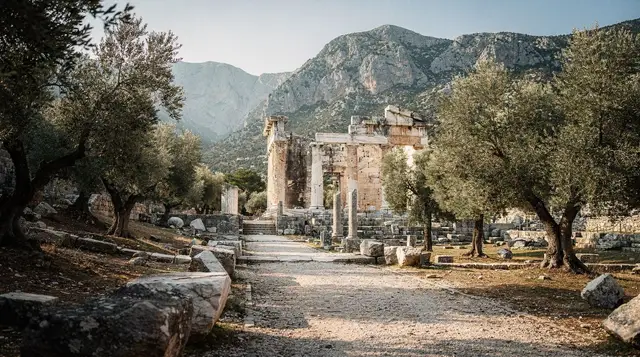
Option B — Delphi on day 2: Instead of going straight back to Athens, swing west via the E65 towards Amfissa and Delphi. It adds about 2 hours of driving over a direct return, but you get to visit the Delphi archaeological site on the way home — an extraordinary pairing of sites in two days.
Option C — Thermopylae on day 2: The battlefield of Thermopylae (the Hot Gates) lies directly on the E75 between Kalambaka and Athens, about 90 minutes south of Kalambaka. The monument and small museum take about an hour. It’s a natural stopping point on the return.
Organised 2-day tours
Several well-regarded operators run fully guided 2-day tours that combine Meteora with Delphi or add Thermopylae.
2-day Meteora and Delphi tour with hotelThis includes hotel accommodation in Kalambaka, breakfast, guided monastery visits and the Delphi stop on the return — genuinely good value for the amount it covers.
2-day Meteora with Thermopylae and DelphiThe Thermopylae and Delphi combination adds the battlefield visit to the return leg, making day two historically dense.
Athens–Delphi–Meteora 2-day loopThis reverses the order: Delphi on day one (west from Athens), overnight near Meteora, then Meteora monasteries on day two. The advantage is reaching Delphi in the cooler morning before the main crowds arrive.
Doing the 2-day trip independently
Train option
Book the morning InterCity from Athens Larissa Station for day one. For day two return, take either the afternoon train from Kalambaka (around 16:00, arrives Athens 20:30) or, if you want the Thermopylae stop, rent a car locally for day two and drop it in Athens.
Car option
A hire car from Athens gives maximum flexibility — you can choose exactly which monasteries, stop at Thermopylae, divert to Delphi, or change your plan based on weather. Budget €40–€70 per day for the car plus €30 in motorway tolls for the full circuit.
Where to stay in Kalambaka and Kastraki
Kastraki is the preferred base for those who want the full visual experience — the rocks tower over the village. Several small family-run hotels and guesthouses offer rooms with terrace views directly onto the formations. Book at least 2–3 weeks ahead in summer.
Kalambaka has more hotel choice, restaurants and convenience. Good mid-range options are plentiful. The walk up to the monasteries is doable (45–60 minutes on foot) but most visitors take a taxi or bus.
Costs: 2-day trip
| Item | Approximate cost |
|---|---|
| Organised 2-day tour (with hotel) | €140–€180 per person |
| Independent: 2x train tickets | €50 |
| Independent: 1 night hotel Kastraki | €70–€120 |
| Car hire (2 days) + tolls | €130–€180 |
| Monastery entrances (5 x €3) | €15 |
| Meals (2 days) | €40–€60 per person |
Practical tips for the 2-day trip
Best months: May and September are the sweet spot — comfortable temperatures, manageable crowds, and the best light for photography. July and August are busy and hot; avoid arriving between 10:00 and 14:00 if possible.
Combine with Delphi: For a comprehensive central Greece loop, the Delphi and Meteora combo guide lays out the best routing options and which to visit first.
Check monastery opening days: Each monastery closes one or two days per week. Great Meteoron closes on Tuesdays; Varlaam closes on Fridays. Download the weekly schedule from the official Meteora website before departure so you don’t plan around a monastery that won’t be open.
Dress code: Skirts/trousers covering the knee and covered shoulders are required at every monastery. Pack a sarong or light scarf.
How to pace the two days so nothing feels rushed
The biggest difference between a good Meteora overnight and a tiring one is pacing. The monasteries are spread along a winding road, each one involves steps, queues at the ticket desk and a slow walk through courtyards, chapels and small museums. Treat each visit as a calm hour or so rather than a checklist item, and leave gaps for the viewpoints, which are half the reason people come. If you arrive hungry or overheated, the frescoes and the views will blur together, so build in a proper lunch and a rest at your guesthouse between the afternoon and evening.
On day one, the priority is to get settled and enjoy the late light. The long journey from the capital is tiring, especially if you started at dawn, so resist the urge to squeeze in every monastery. Choose two or three, take your time, and keep the rest for the morning. On day two, start early, because the quiet before the coaches arrive is the main thing an overnight buys you. Pack your bag the night before, check out, and leave luggage with your hotel if they allow it, so you can move freely between monasteries.
Choosing between the combination options
The three exits from Meteora on day two suit different travellers. A direct return suits anyone arriving late in the evening, travelling with young children, or simply wanting a relaxed final morning. The Delphi option suits history lovers who want the oracle of Delphi story to come alive on site, and who don’t mind a longer day behind the wheel or on the coach. The Thermopylae stop is the lightest addition: a short, atmospheric pause on a route you are driving anyway. If you cannot decide, the Delphi versus Meteora blog comparison and the dedicated Delphi day trip guide will help you weigh how much time each site deserves.
What to expect at the monasteries
These are working religious sites, not museums, and the atmosphere reflects that. Expect quiet courtyards, small chapels covered in painted saints, narrow stairways and terraces that open suddenly onto sheer drops. Photography rules vary from one monastery to another, and inside the main churches it is often restricted, so ask before raising your camera. Keep your voice low, follow the signs, and stay out of areas marked as private. The reward is a sense of the place that no photograph quite captures.
Comfortable shoes with good grip matter more than you might expect, since stone steps can be slippery and uneven. Bring water, sun protection and a light layer for the early morning, when it can feel cooler on the exposed ridge. If anyone in your group finds stairs difficult, plan around the more accessible monasteries and enjoy the others from the viewpoints instead.
Meteora as part of a longer Greece trip
Many travellers slot this overnight into a wider journey. If you are building a longer central Greece loop, the Athens, Delphi and Meteora four-day itinerary shows how the pieces fit together at a gentler pace. If your time is shorter, the best day trips from Athens page compares Meteora with the other classic excursions, and the day trips from Athens without a car guide is useful if you would rather not drive. Anyone planning a bigger holiday can also look at the five-day Athens itinerary with day trips to see where a Meteora overnight sits among the city sights.
Before you leave, it helps to anchor the rest of your stay. The Athens travel tips guide covers the practicalities of arriving, while where to stay in Athens helps you choose a base for the nights either side of the trip. If you are renting a car for the circuit, read the car rental in Athens guide first, and if you plan to travel around the capital by public transport before or after, the Athens metro guide is a good companion. For a personal take on the region, the Meteora destination page and the Kalambaka town page give extra background on where you will be sleeping and eating.
A few ways to make the overnight feel special
Small choices turn a practical overnight into a highlight. Ask for a room with a terrace facing the rocks, and keep an hour free in the evening to simply sit and watch the colour change. Eat at a family-run taverna rather than the nearest restaurant to the main road, and order the local dishes the owner recommends. In the morning, give yourself time for a slow coffee before the first monastery. And if the weather turns, do not panic: mist among the pillars can be just as memorable as clear sunshine, and the monasteries are every bit as striking in softer light.
Also see the things to do in Athens and destinations pages for planning the rest of your Greece trip.
Is a 2-day trip really necessary, or does 1 day suffice?
If your time is genuinely limited, the 1-day Meteora trip is workable — you’ll see two or three monasteries and the main viewpoints. But the 4-hour journey each way means a 1-day trip spends roughly 8 hours travelling for perhaps 4–5 hours actually at Meteora, which is a poor ratio for a place this striking. Two days roughly doubles your time at the site itself while adding only one extra travel leg (the overnight), which is why most people who’ve done both formats say the 2-day version was worth the extra planning.
Frequently asked questions about the 2-day Meteora trip
What’s the best order — Meteora first or Delphi first?
If you’re on an organised tour, the operator’s routing is usually optimised. For independent travel, going to Meteora first (day one) and Delphi on the return (day two) is slightly easier logistically because you can leave Delphi and continue straight back to Athens on the E962 without backtracking.
Is an organised 2-day tour worth the price over doing it independently?
If you want to avoid all logistics and have a guide explain the context of both sites, yes — the premium is modest for what you get. If you’re comfortable driving in Greece and prefer flexibility, self-drive is genuinely enjoyable.
How many monasteries can I visit in 2 days?
Realistically four to five if you spread your time well. Six is possible but exhausting. Great Meteoron, Varlaam and Roussanou on day one, then Agia Triada and Agios Nikolaos on day two morning before departing, is a good split.
Can I do Meteora in 2 days without a car?
Yes. Train to Kalambaka on day one, local shuttle bus or taxi to monasteries on both days, then train back on day two. The shuttle bus runs a circuit in season, but in spring or autumn its frequency drops — confirm times before departure.
Is Kastraki or Kalambaka better for overnight?
Kastraki for the atmosphere and proximity to the rocks; Kalambaka for more eating and sleeping options and ease of access to the train station. Both are fine — Kastraki is the more memorable experience.
What happens if a monastery is closed when I arrive?
It happens — each closes at least one day per week and some are closed for internal religious events without notice. Check the latest schedule at your hotel, which will have up-to-date daily info. A closed monastery is disappointingly common for one-day visitors; two days gives you a second chance.
Best day trips from Athens on GetYourGuide
Verified deep-linked GetYourGuide tours. Book through these links and we earn a small commission at no cost to you.
GetYourGuide does not provide product photos: on its activity cards, the picture illustrates the type of experience and is not the operator's own photo.
More tours on Viator
Top-rated experiences with verified reviews, bookable on Viator (a Tripadvisor company).
 Viator
Santorini Catamaran Cruise with Swim-Stops, Greek Meal and Sunset
FromEUR 150Check availability → Viator
Meteora Sunset with Monastery & Hermit Caves Tour in Small Group
FromEUR 35Check availability → Viator
Meteora Small Group Hiking tour with Transfer and Monastery Visit
FromEUR 35Check availability → Viator