
Athens beaches for families: the best options near the city
What are the best family beaches near Athens?
The best family beaches near Athens are Asteras and Yabanaki in Glyfada (30 min by tram), Vouliagmeni and Varkiza further south (45 min), and the thermal lake at Vouliagmeni for toddlers and young children. All have shallow water, facilities, and lifeguards.
Beaches near Athens that actually work for families
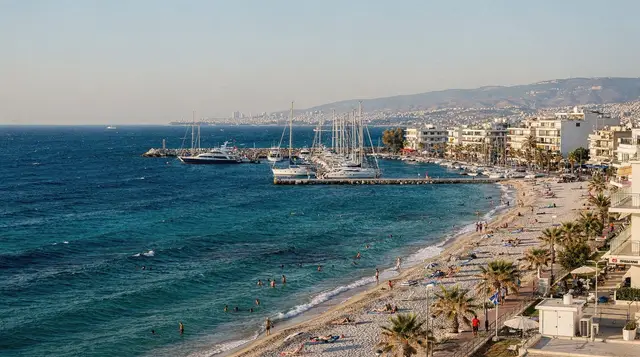
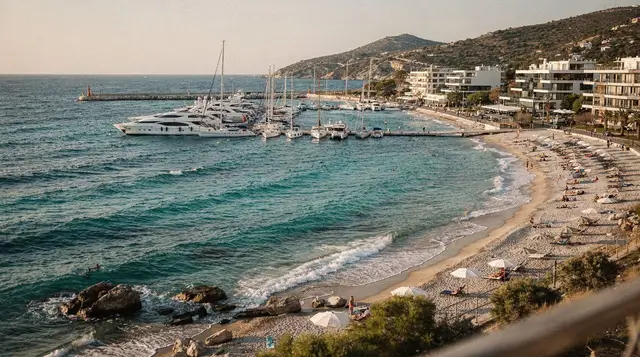
Athens is not a beach destination in the way Santorini or Mykonos is — but the Athens Riviera stretching south from Piraeus to Cape Sounion is one of the most underrated family-beach corridors in the Mediterranean. Within 40–60 minutes of the city centre you have organised beaches with shallow entry, clean Aegean water, sunlounger rental, changing facilities, beach bars, playgrounds, and reliable lifeguard coverage.
This matters enormously for families. Unorganised beaches in Greece — beautiful as they are — can have steep entries, no shade, and no facilities. For a day out with children, the organised Riviera beaches are almost always the better choice.
Here are the best options, ranked by practicality for families with children of different ages. If you want a wider view of the coast before choosing, the best beaches near Athens and the Athens Riviera beaches guide cover the whole stretch, including spots that suit adults travelling without children.
| Where | Athens Riviera, Glyfada to Cape Sounion (17–70km south of the centre) |
| Cost | free municipal stretches, or around €8–20/person for an organised beach club sunlounger |
| Time needed | half day (Glyfada/Vouliagmeni) to a full day (Varkiza, Sounion) |
| Getting there | Tram 5 from Syntagma to Glyfada, then bus/taxi further south, or a car for Sounion |
| Best time | June–September, arrive before 10am or after 4pm on weekends |
Vouliagmeni Lake — best for toddlers and nervous swimmers
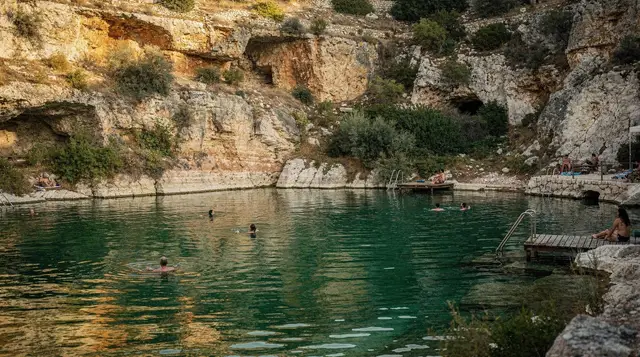
Vouliagmeni Lake (Limni Vouliagmenis) is technically not a sea beach but a sheltered brackish lagoon fed by thermal underground springs. It sits about 25 km south of central Athens, surrounded by pine forest and limestone cliffs.
Why it works for families: Water temperature stays between 22°C in winter and 29°C in August regardless of weather. The lake is completely sheltered — no waves, no currents, no wind chop. Visibility in the water is exceptional (4–5 metres). Toddlers can wade safely in the shallow entry areas, and nervous young swimmers build confidence quickly because the water is warm, clear, and calm.
Facilities: Sunloungers, changing rooms, showers, a café, and a restaurant. Admission is charged (€8–12 per adult, children under 6 enter free). Open 8 am to sunset daily.
Getting there: Bus A2 from Glyfada to Vouliagmeni (15 min), then a short walk. By car, 25 minutes from Athens on the coastal road. Parking available.
The small eco-resort aspect means it feels orderly and uncrowded relative to sea beaches. The slight sulphurous smell of the thermal water is noticeable but fades quickly. For a closer look at what the lake is like and how to plan the visit, see the dedicated Vouliagmeni Lake guide and the Vouliagmeni Lake trip write-up.
Varkiza Beach — best for families with mixed ages
Varkiza sits about 30 km from Athens, just past Vouliagmeni. It is a wide, gently sloping sandy beach with very gradual sea entry — excellent for young children learning to swim and for parents who want to sit on the shore while older children swim independently.
Why it works: The beach is longer and less crowded than beaches closer to Athens. The gradual slope means shallow water extends 10–15 metres from shore, creating a natural safe zone for young children. Multiple organised beach clubs operate alongside free sections of beach.
Best organised option: Varkiza Resort is a large beach club with dedicated children’s areas, a playground, shallow pool, and beach volleyball. Sunlounger sets from €12–18. Café and full restaurant service. Open May to October.
Getting there: Bus from Glyfada (30 min) or taxi from Athens (35 min, around €25–30). Limited public car parking; beach club parking available for customers.
Glyfada beaches — closest organised beaches to Athens
Glyfada is the first substantial beach suburb on the Riviera, 17 km from central Athens and reachable by the city tram (Tram 5 from Syntagma Square, 40 minutes). It is the most practical beach option for families without a car.
Yabanaki Beach: Large, popular, and very well-equipped. Sunloungers, children’s pool, playground, multiple food vendors, and water sports. The sea entry is gradual but slightly rockier than Varkiza — water shoes recommended for children. Gets crowded on summer weekends; arrive before 10 am or after 4 pm.
Asteras Beach: More upmarket, calmer, and significantly cleaner than the public beaches. Entry fee covers a sunlounger set. The shallow section is well-marked and monitored. Slightly less crowded because of the entry charge.
Getting there by tram: Tram 5 from Syntagma Square, direction SEF (Peace and Friendship Stadium) or Glyfada, to the Glyfada terminus. Walk 10–15 minutes to the beach, or take a short taxi. Trams run every 10–15 minutes in summer.
Kavouri — quieter alternative with shade
Kavouri is a small headland between Glyfada and Vouliagmeni with a free municipal beach and a shallow protected bay. It is significantly less crowded than Glyfada on summer weekends and has natural shade from pine trees close to the shore.
Best for: Families with older children (8+) who are confident swimmers and don’t need the full facilities of an organised beach club. The Kavouri bay is calmer than open beaches and has a small kiosk for drinks and snacks. No admission charge.
Getting there: Bus from Glyfada terminus (15 min), or a pleasant 2 km walk along the coast from Glyfada Beach.
Lagonisi and Saronida — further south, more space
At 40–45 km from Athens, these beaches see fewer day-trippers from the city. Saronida has a long sandy strip with multiple beach clubs and a shallow, sandy entry ideal for young children. Lagonisi Beach Resort operates as a full family beach resort with water slides, children’s pool, and a private shallow swimming area.
The trade-off is distance: without a car, reaching Saronida requires a combination of tram, bus, and patience. With a car, it is a 45-minute drive on the coastal road and well worth it for a full-day family beach excursion.
Cape Sounion — for families who want ruins with their swim
Cape Sounion is 70 km from Athens and primarily known for the Temple of Poseidon perched on the cliff above the sea. But the beaches immediately below the cape — Sounion Beach on the east side and a smaller sheltered bay on the west — are genuinely beautiful and relatively uncrowded.
Why it works as a family day: You combine the dramatic spectacle of the temple (children aged 7 and up find it impressive; younger children are less engaged) with a beach afternoon. The water is exceptionally clear, the pebble-and-sand entry manageable with water shoes, and the tourist infrastructure is minimal — one beach bar, no beach clubs, natural surroundings.
Getting there: KTEL bus from Pedion Areos park in Athens (2 hours, roughly every 90 minutes). Or by car in 1 hour. An organised day trip from Athens handles the logistics and adds guide commentary at the temple, and takes the transport planning off your hands entirely — useful with children in tow.
Cape Sounion Temple of Poseidon and swimming day tripComparing the main options at a glance
| Beach | Distance | Best for | Facilities |
|---|---|---|---|
| Vouliagmeni Lake | 25km | toddlers, nervous swimmers | full (fee) |
| Varkiza | 30km | mixed ages, gradual entry | beach clubs + free sections |
| Glyfada (Yabanaki/Asteras) | 17km | no car, easy tram access | full (fee at Asteras) |
| Kavouri | 22km | older kids, shade, no fee | minimal (kiosk only) |
| Saronida / Lagonisi | 40–45km | full day, less crowded | resort-style (fee) |
| Cape Sounion | 70km | ruins + swim combined | minimal, one beach bar |
An island day trip as a beach alternative
If your family has an extra day and wants clearer water than the mainland Riviera offers, Aegina is a genuine alternative: a 40-minute ferry from Piraeus reaches an island with sandy, shallow beaches, a relaxed small-town feel, and far fewer crowds than the closer Riviera beaches see on peak weekends. It works well as a full-day swap rather than a half-day add-on, since the ferry crossing plus a beach afternoon fills most of the day.
Aegina day trip with swimming from AthensPiraeus and Palaio Faliro — not recommended for families
The beaches immediately south of Piraeus (Palaio Faliro, Neo Faliro) are heavily urbanised, noisy, and suffer from ferry traffic and occasional water quality issues. Skip them in favour of beaches further south — the extra 15–20 minutes of travel makes a significant difference in quality.
Practical tips for Athens Riviera beach days with children
Water shoes: Sea entries along the Riviera are often pebble or coarse sand. Water shoes (€5–8 from any beach kiosk) make entry and exit significantly easier for young children and prevent minor cuts.
Sun cream and hats: Aegean sun in June–August is intense. Apply factor 50 to children before leaving the hotel, reapply after swimming, and insist on hats for children under 8 during peak sun hours (11 am–4 pm).
Bring snacks: Beach club food in organised Riviera beaches ranges from decent to overpriced. A packed lunch with fruit, sandwiches, and plenty of water reduces costs and eliminates the “I’m hungry NOW” emergency.
Timing: Organised beaches fill up from 11 am on summer weekends. Arrive by 9:30 am to secure a good sunlounger position with shade, or go on weekdays when crowds are significantly smaller.
Combining with city sightseeing: Many families do a half-day of culture in the morning (Acropolis from 8 am, Acropolis Museum by 11 am) and then take the tram to Glyfada for a beach afternoon. This works well from late May through September when daylight extends to 8:30–9 pm. If the heat is the main worry, the guide to Athens in summer explains how to pace the days, and the Athens with kids 4-day itinerary shows where a beach afternoon can slot in between museum and ruin visits.
For full day-trip planning with children, see kid-friendly day trips from Athens and the guide to Athens with kids.
Frequently asked questions about Athens beaches for families
Are the beaches near Athens clean and safe for children?
The organised beaches of the Riviera (Glyfada, Vouliagmeni, Varkiza) have Blue Flag certification or equivalent water quality standards. Sea water quality is generally good from Glyfada southwards. Avoid the beaches between Piraeus and Palaio Faliro, which suffer from harbour traffic and reduced water quality.
How do I get to Glyfada beach from Athens without a car?
Take Tram 5 from Syntagma Square to the Glyfada terminus — about 40 minutes. Trams run every 10–15 minutes in summer from around 7 am. From the terminus, most Glyfada beaches are a 10–15 minute walk or a short taxi ride.
Is the sea warm enough for children in June?
Water temperature in the Saronic Gulf reaches 21–22°C in early June and rises to 25–27°C by August. Most children aged 5 and up are perfectly comfortable from mid-June onwards. Vouliagmeni Lake is warmer (constant 24–27°C) and works well for young children who feel cold in the open sea.
Are the beaches free or do you have to pay?
Both free and paid options exist. Municipal beaches (Kavouri, some Glyfada stretches) have no entry charge but fewer facilities. Organised beach clubs charge €8–20 for a sunlounger set but provide showers, changing rooms, and food service. Vouliagmeni Lake charges entry (€8–12 per adult) but children under 6 enter free.
Can we combine a beach day with a visit to Vouliagmeni Lake?
Yes, easily. Vouliagmeni Lake and Vouliagmeni Beach are about 500 metres apart. Many families spend the morning at the lake (calm, thermal, great for toddlers) and the afternoon at the sea beach nearby. Allow a full day for both.
Which Athens Riviera beach is best for very young toddlers?
Vouliagmeni Lake is the strongest choice — the water is warm year-round, completely sheltered from waves and wind, and the shallow entry areas make it far less intimidating for a toddler than open sea with even mild surf.
Do we need a car to reach the Athens Riviera beaches?
No for Glyfada, Vouliagmeni, and Varkiza — Tram 5 and local buses cover them well. A car (or an organised day trip) becomes genuinely useful for Saronida, Lagonisi, and especially Cape Sounion, where public transport is slower and less frequent.
Athenian Riviera beach experiences
Verified deep-linked GetYourGuide tours. Book through these links and we earn a small commission at no cost to you.
GetYourGuide does not provide product photos: on its activity cards, the picture illustrates the type of experience and is not the operator's own photo.
More tours on Viator
Top-rated experiences with verified reviews, bookable on Viator (a Tripadvisor company).

