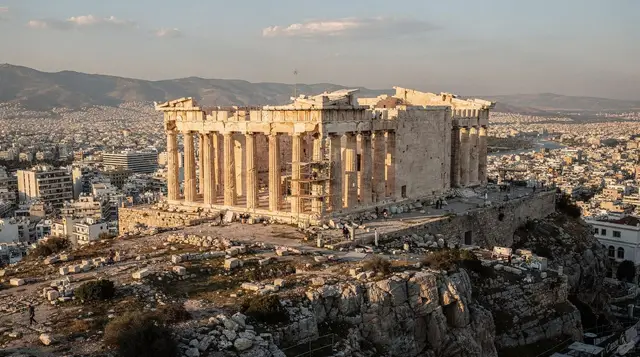
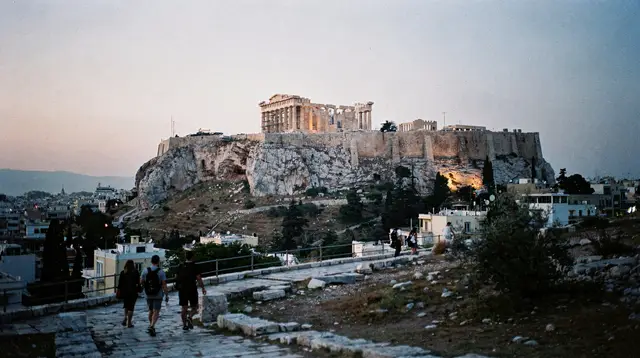
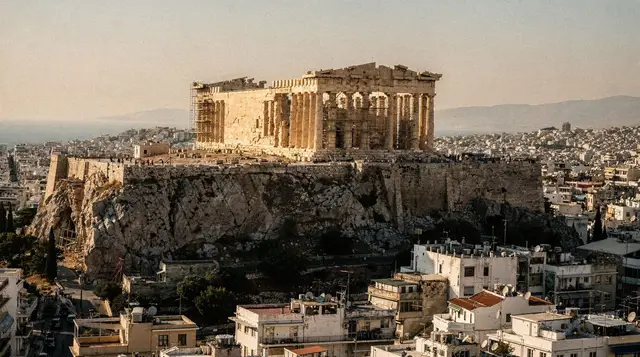
The neighbourhood that Airbnb found and then improved
Koukaki’s transformation over the last decade is a reasonably benign version of a story that usually ends badly for local residents. When short-term rental platforms discovered the neighbourhood — close to the Acropolis Museum, walkable to the historic centre, with a stock of prewar apartment buildings suitable for conversion — the investment that followed brought better coffee shops, a few smart small hotels and several genuinely good restaurants without yet destroying the residential character that makes the area worth staying in.
Walk the main residential streets — Veikou, Parthenos, Drakou — and you encounter the ordinary city: a hardware shop, a pharmacy, a bakery whose proprietor has been opening at 6:30 am for twenty years. The tourist density is a fraction of Plaka. The noise at night is a fraction of Monastiraki. And the walk to the Acropolis Museum is three minutes.
If you are deciding where to stay in Athens and are coming for more than two nights, Koukaki is the honest answer.
The Acropolis Museum as a neighbour
The Acropolis Museum is Koukaki’s immediate northern neighbour — the building’s glass facade is visible from the neighbourhood’s main intersection. Walking to the museum’s entrance on Dionysiou Areopagitou takes three minutes from the heart of Koukaki.
This proximity is the neighbourhood’s defining asset. The Museum opens at 8 am in high season and the first hour is significantly quieter than the tourist peak that builds from 10 am. For visitors based in Koukaki, dropping into the Museum before breakfast on the way to the Acropolis — or stopping in mid-afternoon when the exposed summit is at its hottest — is the kind of flexibility that makes the location genuinely valuable.
Museum entry with audio guide is the most practical format for independent visitors — the three-floor chronological layout follows the sculptural history of the Parthenon in a sequence that makes sense on its own once you understand the basic arc, which the audio commentary provides.
Eating and drinking in Koukaki
The food in Koukaki has improved significantly with the neighbourhood’s rising profile. The stretch of Falirou street and its side streets has a cluster of restaurants that serve Athenian rather than tourist clientele: neighbourhood tavernas with handwritten daily menus, a couple of modern Greek restaurants that take the local produce seriously, and a handful of wine bars with decent Greek-only lists.
Veikou street has the best cafe strip: a series of small coffee shops with outdoor tables and good espresso that fill with laptop workers and neighbourhood residents from morning through noon. It is the right place to start a Koukaki day.
For evening, the Falirou-Drakou corridor is the main restaurant zone. Budget €22–35 per person for a full meal with wine; the price-to-quality ratio tends to be better than in Plaka because the clientele is less captive.
Walking to the historic centre
Koukaki’s walkability is exceptional. Key distances on foot:
- Acropolis Museum: 3 minutes
- Acropolis main entrance (south slope, Dionysiou Areopagitou): 12 minutes
- Plaka (Adrianou street south end): 15 minutes
- Monastiraki square: 20 minutes
- Thissio promenade: 15 minutes
The pedestrian route along Dionysiou Areopagitou — car-free, shaded by trees on the north side, with Acropolis views on every clear day — is one of the most pleasant urban walks in Athens.
Metro access is slightly less direct than in the tourist core: Akropoli station (Line 2) is a 10-minute walk north; Syngrou-Fix station (Line 2) is 10 minutes south. Neither is inconvenient; the neighbourhood simply rewards those who prefer to walk.
Where to stay
Koukaki has a good concentration of boutique hotels and upmarket guesthouses that opened in the 2015–2022 period when the neighbourhood’s appeal became clear. Most are in converted prewar apartment buildings with the original high ceilings and period features preserved. A mid-range double in a boutique Koukaki hotel runs €80–140 in April–October 2026, which is noticeably better value than comparable accommodation in Plaka or the Syntagma area.
The where to stay in Athens guide makes the case for Koukaki versus other central neighbourhoods in detail — the short version is that Koukaki wins for visitors who prioritise walkability to the ancient sites, local atmosphere and quiet nights over the most central possible position.
Koukaki and the broader south slope walk
The neighbourhood connects naturally to a walking circuit that begins at Koukaki, heads north to the Acropolis Museum, then climbs west to the Acropolis, descends via the south slope, passes the Theatre of Dionysus and Odeon of Herodes Atticus (the latter open for evening performances June to October as part of the Athens Epidaurus Festival), and loops back to Koukaki via Dionysiou Areopagitou. This walk covers about 3 km and is the single best introduction to Athens’ ancient core — plan two to three hours including stops.
The 3-day Athens itinerary routes the first day through this circuit, starting from Koukaki.
The Acropolis walking tour is a practical option for anyone based in Koukaki, since the guided walk typically starts near the south slope entrance a few minutes from the neighbourhood — no need to arrange separate transport before the tour begins.
A day in Koukaki, hour by hour
The easiest way to understand the neighbourhood is to let a day unfold without an agenda. Start with a slow coffee on Veikou, watching residents pick up bread and neighbours stop to talk on the pavement. There is no rush here, and that is precisely the point: nobody in Koukaki is trying to sell you anything before breakfast.
From there, walk to the Acropolis Museum while it is still quiet. The Acropolis Museum guide explains how to read the galleries in order, and the comparison in Acropolis vs Acropolis Museum helps you decide how to split your energy between the two. If you prefer to see the rock itself early, the Acropolis tickets guide and the skip-the-line guide cover the practical side, and the Parthenon guide gives context for what you are looking at once you arrive.
Midday is for retreating. Koukaki’s quiet streets and shaded corners make it easy to step away from the heat and crowds, return to your room, or settle at a cafe table. Late afternoon is the moment to head back out, when the light softens and the south slope fills with a gentler energy. If you are visiting in the hotter months, the Athens in summer guide and Athens in summer heat offer sensible ways to pace the day, while the blog post on surviving the August heat tells the same story from personal experience.
Beyond the main streets
Once you have found your bearings, it is worth wandering the side streets rather than sticking to the obvious thoroughfares. Koukaki rewards curiosity: a tiny church tucked between apartment blocks, a plant-covered balcony, a kiosk that has been on the same corner for decades. These are the details that make the neighbourhood feel lived in rather than staged.
The hill of Philopappos is a short walk from the western edge of the area, and the Philopappos Hill guide shows why it is one of the best places for a view across to the Acropolis without the crowds. Nearby, Thissio offers a very different, more café-and-promenade atmosphere, and the Ancient Agora guide is a natural next step for anyone who wants to continue exploring the classical city on foot. For photographers, the best photo spots in Athens list includes several vantage points reachable from Koukaki without any transport at all.
Eating well without trying too hard
Dining in Koukaki is best approached with an open mind and a flexible appetite. Rather than hunting for a single famous address, follow the locals: look for places with handwritten menus, a full room of Greek conversation and a short list of dishes that change with the season. The best tavernas in Athens guide describes what to look for, and the post on where locals eat in Athens is a good companion read before your first dinner.
For something lighter, the Greek street food guide and the best souvlaki in Athens cover the quick, cheap options that suit a day of walking. Coffee is a ritual in its own right here, and the Athens coffee culture guide along with the story of the Greek coffee ritual will help you order like a resident rather than a tourist. If you enjoy shared plates and a slow evening, the ouzo and meze guide is a pleasant way to plan one night out.
Getting the most from a longer stay
Koukaki is at its best when you stay long enough to develop small routines: the same bakery in the morning, the same cafe table, a nod from the person behind the counter. That is the real luxury of basing yourself in a residential area, and it is why the neighbourhood suits slower trips so well.
For a longer visit, use Koukaki as a launch point rather than a destination in itself. The Athens itinerary planning guide helps you balance city days against excursions, the how many days in Athens guide tells you how long is enough, and the best day trips from Athens article shows where to go when you want a change of scene. If your plans are short, the Athens in 2 days itinerary and the Athens first-timers weekend both slot easily around a Koukaki base.
Practical questions are well covered elsewhere on the site: getting around Athens and the Athens metro guide explain how to use public transport when you do want it, Athens airport to city covers the arrival, and Athens travel tips rounds up the habits that make a trip smoother. If you are still weighing up neighbourhoods, the comparison with Plaka and Monastiraki above is a good starting point, and the Athens first-time mistakes post is a useful reminder of what not to do.
Who Koukaki suits, and who it doesn’t
Koukaki is close to an ideal base for visitors prioritising walkability, quiet nights and easy access to the Acropolis Museum and the ancient sites. It’s a weaker fit for anyone who wants to be in the thick of nightlife or within stumbling distance of a big bar strip — for that, Psyrri or Monastiraki are the better base, at the cost of more street noise. Families and couples on longer stays tend to get the most out of Koukaki’s residential rhythm; visitors on a single overnight who want to maximise proximity to Syntagma and the metro hub may prefer staying more central.
Frequently asked questions about Koukaki
Is Koukaki a good base for a first-time visitor to Athens? Yes, particularly for stays of three nights or more. The walk to the Acropolis Museum and the ancient sites is short, the neighbourhood is quiet at night, and the restaurant scene serves locals rather than tour groups, which usually means better value. The trade-off is a slightly longer walk to Syntagma and the busiest nightlife areas compared with staying right in the historic centre.
How does Koukaki compare to Plaka for accommodation value? Koukaki generally offers noticeably better value — similar quality boutique hotels cost less than comparable options in Plaka, largely because Koukaki lacks Plaka’s postcard prettiness and immediate proximity to the Acropolis entrance. For visitors prioritising budget and quiet over being literally inside the historic quarter, Koukaki is usually the better choice.
Is Koukaki good for travelling with children? Its quiet streets and residential pace suit families well, and the walk to the Acropolis Museum is short enough to manage with little legs. The Athens with kids guide has more ideas for planning days around a family-friendly base.
Is Koukaki safe to walk around in the evening? It is a residential area and generally feels calm after dark, though normal city awareness applies. The is Athens safe guide covers general precautions for the whole city.