
Hydra island guide: the car-free gem of the Saronic Gulf
What is Hydra island like?
Hydra is a car-free island in the Saronic Gulf, about 2 hours from Piraeus by high-speed ferry. No motor vehicles are allowed — transport is by donkey, boat, or foot. The harbour is one of the most beautiful in Greece. It suits visitors looking for quiet, authentic atmosphere and good swimming.
Why Hydra stands apart from every other Greek island
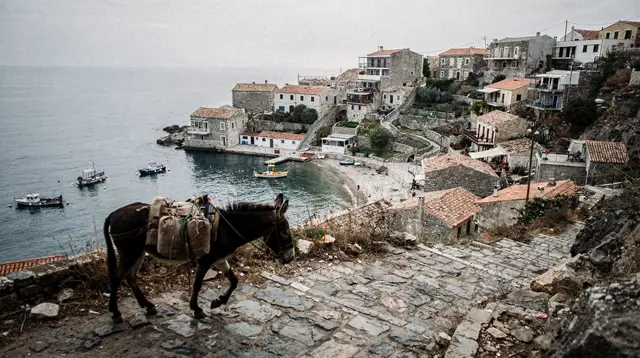
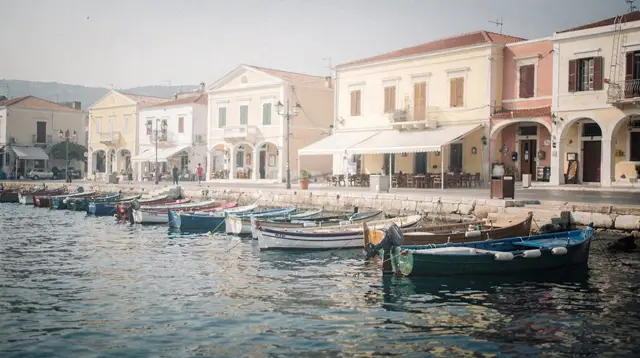
There is no more atmospheric island in the Saronic Gulf than Hydra, and for a specific reason: it is the only inhabited island in Greece with a total ban on motor vehicles. No cars, no motorbikes, no scooters. The only transport on land is by foot, bicycle on a few flat stretches, or donkey. The port is one of the finest in Greece — a horseshoe of neoclassical mansions rising from the waterfront, fishing boats moored below, stone-paved lanes heading up into the hill.
As a result, Hydra has avoided the visual clutter that afflicts much of the Greek island tourist infrastructure. No plastic signs, no traffic noise, no roads cut into the hillside for a new parking lot. The island has attracted artists and writers since the 1960s — Leonard Cohen owned a house here for decades — and that tradition of thoughtful quiet persists.
This guide covers how to get from Athens to Hydra, what to do there, and whether a day trip or overnight stay is the right choice.
| Where | Saronic Gulf, around 2 hours from Piraeus by high-speed ferry |
| Cost | Around €24–30 one way; day trips from around €70–90 |
| Time needed | A long day trip, or 1–2 nights for a slower visit |
| Getting there | Ferry from Piraeus (metro green line, 40 minutes from central Athens) |
| Best time | Late April–June or September–October for a quieter island |
Getting to Hydra from Athens
The ferry departs from Piraeus, which is 40 minutes from central Athens on the metro green line. Hellenic Seaways and Aegean Speed Lines both serve the route.
High-speed ferry (Flying Dolphin / Flying Cat): 1 hour 40 minutes to 2 hours, €24–30 one way. Multiple departures daily from Piraeus, increasing to six or more in summer. This is the standard option.
Conventional ferry: Around 3.5–4 hours, €15–20 one way. Less frequent and much slower — only worth it if you want to combine Hydra with stops at Aegina or Poros.
The ferry arrives at Hydra’s central port, directly in front of the harbour cafés and the stone mansions. There is no secondary port or bus to catch — you step off the boat and you’re already in the centre of the island’s only significant settlement.
For those who prefer guided logistics, private excursions to Hydra depart from Athens including a private guide service on the island.
Hydra ferry trip with private guideWhat to do in Hydra
Walk the harbour and the old town
The harbour area requires no itinerary — simply walk. The mansions lining the waterfront were built by 18th and 19th century shipping merchants who made fortunes in trade across the Mediterranean. Several are now museums or cultural foundations. The Lazaros Koundouriotis Historical Mansion (open Tuesday–Sunday, €4) is the best preserved, with original furniture and personal effects of a former governor of Greece.
From the harbour, stone lanes climb uphill in every direction. The town contains 19th-century churches, stone wells, and small cafés tucked into narrow passages. Getting genuinely lost is both possible and pleasant — the island is small enough that you’ll find your way back to the harbour within 20 minutes from anywhere in the settlement.
Beaches: Hydra’s accessible swimming spots
Hydra has no sandy beaches. The swimming is from flat rocks or small pebble coves reached by foot or by water taxi from the harbour. The most popular spots:
Vlichos: 30 minutes on foot from the harbour, a small pebble beach with a seasonal taverna and clear water. The walk passes through olive groves and stone walls.
Kamini: 15 minutes from the harbour on foot. A tiny fishing village with a narrow stone quay perfect for jumping into the sea. Very local feel.
Bisti and Agios Nikolaos: more remote beaches accessible by water taxi (€7–10 per person) or a long walk. Agios Nikolaos is one of the quietest and cleanest swimming spots in the Saronic Gulf.
The swimming at Hydra is excellent. The water is clear, there are no jet skis or pedalo operators, and you can genuinely find a quiet spot even in July. For those who want a swimming-focused half-day with transfers handled, there are organised excursions.
Hydra full-day trip with swimmingClimbing to the monastery and the cannons
A steep but well-marked path from the harbour leads up to the Monastery of the Assumption of the Virgin (Kimisis tis Theotokou), about 30 minutes of climbing. The views over the harbour and the Saronic Gulf from here are among the best on the island. Dress modestly to enter (shoulders and knees covered). Just above the monastery, old Venetian cannons still point out to sea from the clifftop.
Day hike to Mount Eros
For the more energetically inclined, Hydra’s highest point (Mount Eros, 588 m) is reachable in about 2 hours from the harbour by a marked path. The summit has views of the Peloponnese mountains and, on clear days, all the way to the Cyclades. Bring water and proper shoes — the terrain is rocky.
Combining Hydra with Poros
Hydra and Poros are the two most complementary Saronic islands for a combined visit. Poros is calmer and flatter with a good sandy beach, while Hydra is more dramatic and atmospheric. A private day trip combining both islands is a popular option for visitors who want variety.
Private day trip to Hydra and Poros from AthensAlternatively, it’s possible to take a ferry from Piraeus to Hydra, spend several hours there, and take the next ferry to Poros for a late lunch before returning to Athens. This is a full day but a rewarding one.
Planning your day on the island
A good Hydra day has a loose shape rather than a schedule. Arrive, drink a coffee on the harbour while the boat crowd disperses, then choose one main outing: the monastery climb, a walk to Kamini or Vlichos for a swim, or a longer hike. Leave the old town lanes for the hottest hours, when the stone walls give shade, and keep the swim for the afternoon. Whatever you pick, avoid cramming in everything: the charm of the island is in the pace, and the return ferry is the only fixed point of the day.
If you are still deciding whether the Saronic Gulf is the right choice at all, the best day trips from Athens and the day trips from Athens without a car guides put Hydra next to the mainland alternatives. Hydra is a natural answer for travellers who have already seen the big sites and want a change of rhythm. Visitors who have just done the Acropolis and its museums often find the island a welcome contrast after the stone and crowds of the capital.
Cruise passengers with a limited window should read the Athens cruise port guide and the one day from the port itinerary before deciding. A Hydra outing is a tight fit for a short call, so check your all-aboard time carefully and be honest about the margin for the return.
Practical logistics are covered elsewhere on the site. The ferries from Piraeus guide explains how the port works and where the boats leave from, and the Athens to Piraeus port guide covers the way to reach the quay. If you plan to string several islands together over a longer stay, the island hopping from Athens guide and the Saronic Gulf cruise guide show how Hydra fits into a wider route. A cruise covering Hydra, Poros and Aegina in one go is described in the Hydra, Poros and Aegina cruise guide, and a first-person account of a first island trip is in the first Greek island hop story.
Day trip vs overnight stay
Hydra works well as a long day trip from Athens — a morning high-speed ferry, six to seven hours on the island, and an evening return. However, staying overnight reveals a different island. Once the day-tripper boats leave around 18:00, Hydra becomes very quiet and genuinely peaceful. The harbour at dusk, with the lights reflecting on the water and the sound of donkey hooves on stone, is worth experiencing. A night or two is recommended if your schedule allows.
Accommodation ranges from small family-run guesthouses (€80–130/night) to boutique hotels in restored mansions (€180–350/night). The Bratsera Hotel, in a converted former sponge factory, is widely considered the best on the island.
Best time to visit Hydra
| Season | Weather & sea | Crowds | Notes |
|---|---|---|---|
| April–June | Mild, sea swimmable from June | Low–moderate | Ferries frequent, not overcrowded |
| July–August | Hot, warm sea | Busy | Day-trippers clear by evening; book accommodation months ahead |
| September–October | Warm sea, pleasant light | Moderate, thinning | Widely considered the best overall window |
| November–March | Cool, quiet | Very low | Ferries reduce to 1–2 daily; many restaurants close |
For context on the other Saronic islands, read the Aegina island guide and the Poros island guide. For a comparison of all options from Athens, see the Greek islands from Athens guide and the best islands near Athens guide.
A few habits make the island easier. Wear shoes with a real grip, because the stone lanes are worn smooth. Carry water on any walk. Bring a swimsuit and a light towel in a small bag, so that you can swim wherever the walk ends. Pack light overall, since everything is carried by hand or by animal. Allow time at the end of the day to walk back to the quay without rushing, and pick a harbour café for a last drink while you wait for the boat. For packing ideas, the Athens packing list is a useful starting point, and the Athens in summer heat guide helps if you travel in the hottest months.
What Hydra doesn’t have
Setting expectations honestly matters here. Hydra has no sandy beach, no ATMs on every corner (a handful exist near the harbour, but don’t count on multiple options), and no nightlife scene beyond a few harbour bars. There’s no airport and no car rental, obviously, since vehicles are banned outright. If you want a classic postcard sandy beach, Poros or Aegina suit that better; Hydra’s appeal is architectural and atmospheric rather than about lounging on sand.
Frequently asked questions about Hydra island
How long does the ferry from Athens to Hydra take?
The high-speed Flying Dolphin from Piraeus takes approximately 1 hour 40 minutes to 2 hours. Check schedules at Ferryhopper for the latest 2026 timetables. Reach Piraeus by metro (green line, 40 minutes from central Athens).
Is Hydra good for swimming?
Yes, but not for sandy-beach lovers. All swimming is from rocks or pebbles. The water is very clean and clear. Bisti and Agios Nikolaos (water taxi from harbour) are the quietest spots. Kamini and Vlichos are the most easily reached on foot.
Can you bring a car to Hydra?
No. Motor vehicles are completely banned on Hydra. This is not a restriction for tourists — no one on the island has a car. Transport is by donkey (for luggage and some supplies), boat (water taxis), or foot. Leave your car in Piraeus or Athens.
Is Hydra suitable for older visitors or those with mobility issues?
The harbour area itself is relatively flat and manageable. However, much of the town involves steep stone lanes and stairs. There are no ramps or lifts. For visitors with limited mobility, the harbour and the first level of the town are accessible, but reaching viewpoints or beaches involves significant walking.
Where is the best place to eat on Hydra?
Several good tavernas operate on the harbour and in the Kamini neighbourhood. Pirate Bar is a long-established institution for drinks. For food, the restaurants in the Vlichos area (a 30-minute walk) tend to be better value and less tourist-oriented than those directly on the main harbour.
Can you visit Hydra without booking a tour?
Absolutely. Buying a ferry ticket from Piraeus and arriving independently is simple and cheaper than organised tours. The island is entirely walkable and requires no car or planned itinerary. Tours add value mainly for the private guide element or for combining Hydra with other islands in a single day.
How much should I budget for a day trip to Hydra?
Beyond the return ferry (around €48–60), budget roughly €25–40 per person for lunch, coffee and a water taxi to a further beach like Bisti if you want one. A day trip without a tour package, done independently, typically comes in at €80–110 per person including a proper lunch, which is noticeably cheaper than an all-inclusive cruise once you factor out the buffet.
Saronic island cruises on GetYourGuide
Verified deep-linked GetYourGuide tours. Book through these links and we earn a small commission at no cost to you.
GetYourGuide does not provide product photos: on its activity cards, the picture illustrates the type of experience and is not the operator's own photo.
More tours on Viator
Top-rated experiences with verified reviews, bookable on Viator (a Tripadvisor company).
 Viator
Santorini Catamaran Cruise with Swim-Stops, Greek Meal and Sunset
FromEUR 150Check availability → Viator
Sailing trip to the Top Coasts of Crete, Daily/Multi-day
FromEUR 990Check availability → Viator
Private Overview of Santorini: Full-Day Customizable Experience!
FromEUR 200Check availability → Viator