Visiting Athens in summer heat: how to handle it
How do you visit Athens in the summer heat?
Restructure your day: start outdoor sites at 8 am before heat builds, retreat to air-conditioned museums or a shaded restaurant from noon to 4:30 pm, then resume outdoor exploration in the late afternoon and evening. Carry at least 1 litre of water per person for Acropolis visits. Pre-book early morning Acropolis slots. This schedule makes a July or August Athens trip genuinely enjoyable.
Understanding what Athens summer heat actually means
Athens bakes in a way that surprises visitors who have done Mediterranean travel elsewhere. The city sits in the Attic Basin — a natural bowl of limestone hills — that traps heat with unusual efficiency. Summer daytime highs in July and August regularly reach 35–38 °C. Heatwaves that push to 40–42 °C are not unusual and can last five to ten days at a stretch.
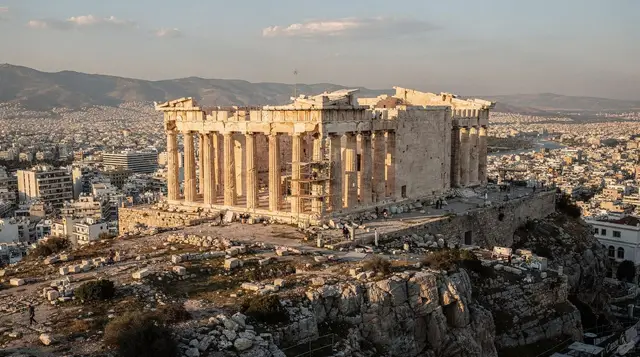
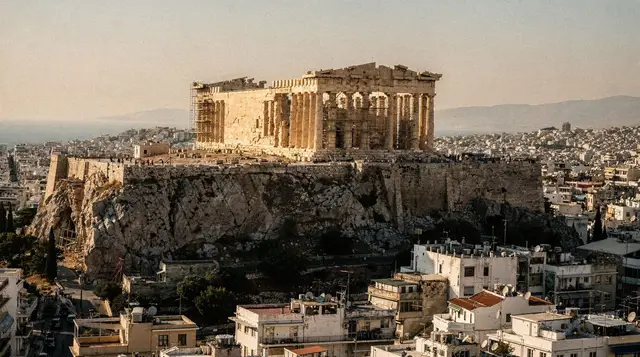
This is compounded by the environment of Athens’s primary attractions. The Acropolis sits atop a marble hill that absorbs and radiates heat. The walkways on the summit are marble — smooth, pale stone that reflects both heat and light simultaneously. There is minimal shade. When the air temperature is 38 °C, the radiant temperature on the Acropolis platform can feel like standing in an oven. The same dynamics apply to the Ancient Agora, the Roman Agora, and the Temple of Olympian Zeus.
None of this means Athens in summer is impossible or unpleasant. It means the standard European city-break approach — wander out after a relaxed breakfast, walk all day, eat a late lunch somewhere — does not work. A different framework does work, and it can make a summer Athens trip genuinely excellent.
| When | June–August, worst 10am–4pm daily |
| Typical highs | 33–38°C (August), heatwaves push to 40–42°C |
| Strategy | outdoor sites 8–10:30am, indoor/shade 12–4:30pm, outdoor again 5–9pm |
| Bring | at least 1L water/person, hat, sunscreen, electrolytes on 38°C+ days |
| Skip if avoidable | exposed outdoor sites (Acropolis, Sounion, Mycenae) between 11am and 4pm |
Summer month by month
| Month | Typical highs | Crowds | Notes |
|---|---|---|---|
| June | 28–32°C | building, not yet peak | best compromise of warmth and comfort |
| July | 33–36°C | peak | schedule around the heat strictly |
| August | 33–38°C, heatwaves to 42°C | peak, some locals leave the city | hottest month, plan indoor midday time carefully |
The summer schedule that actually works
7:30 am: Hotel breakfast and preparation
Eat properly. Apply sunscreen before you leave the hotel. Fill your water bottles. Check your Acropolis timed entry slot and confirm your first destination.
8:00 am: Outdoor sites — this is your golden window
The Acropolis, Ancient Agora and most outdoor ancient sites open at 8 am. Arriving at the gates by 8:00–8:15 am means:
- You beat the tour bus surge, which typically arrives at 9:30–10:00 am.
- The temperature is 26–30 °C rather than 36–38 °C — genuinely different in comfort terms.
- The morning light is outstanding for photography — soft, directional, warm.
- The marble and stone are not yet at their full radiant temperature.
The difference between visiting the Acropolis at 8:30 am and 11:00 am in August is not marginal — it is the difference between a pleasurable experience and an ordeal. This is the single most important practical adjustment for summer Athens travel.
The early-morning Acropolis and museum tour is specifically structured around this logic: early Acropolis access, then the museum before midday crowds arrive. If you are doing the Acropolis independently, the pre-booked entry with an 8 am or 8:30 am slot achieves the same result.
10:30–12:00: Transition activities
By 10:30 am the heat is building. If you are still at an outdoor site, start winding down. A good transition window for:
- Coffee at a cafe in Monastiraki or Plaka — Athens coffee culture rewards sitting and cooling down.
- A brief walk through Monastiraki flea market before the midday crush.
- Completing the Ancient Agora if you haven’t already — it has more tree shade than the Acropolis.
12:00–4:30 pm: Indoor sanctuary — this time is scheduled, not wasted
This is the core of the summer strategy: don’t fight the heat, schedule around it. Athens has exceptional air-conditioned attractions that suit midday perfectly.
Best midday options:
Acropolis Museum (€20): World-class, extensively air-conditioned, opens at 8 am and is a 15-minute walk from Monastiraki. Two to two-and-a-half hours here during the hottest part of the day is one of the best decisions you can make in Athens. See the Acropolis Museum guide.
National Archaeological Museum (€20): A 20-minute walk from Omonia metro. The world’s best collection of ancient Greek artefacts. Allow 2.5–3 hours. Completely air-conditioned. Rarely overcrowded even in peak summer.
Museum of Cycladic Art (€12): Excellent collection in Kolonaki, well air-conditioned, typically calm and uncrowded.
Byzantine and Christian Museum (€8): Exceptional collection on the edge of Kolonaki. One of the best Byzantine museums in the world and virtually crowd-free.
Long lunch: Athens restaurants are air-conditioned, happy to seat you for an extended meal, and the quality of food in non-tourist tavernas in Koukaki or Psyrri is very good. A proper 90-minute lunch with mezedes, a carafe of house wine, and dessert is a cultural and physical pleasure during the dead heat hours.
Hotel break: Particularly valuable if you are travelling with children or if the heat has been more tiring than expected. Air conditioning, a rest, and you reset for the evening.
5:00–9:00 pm: Best outdoor hours of the day
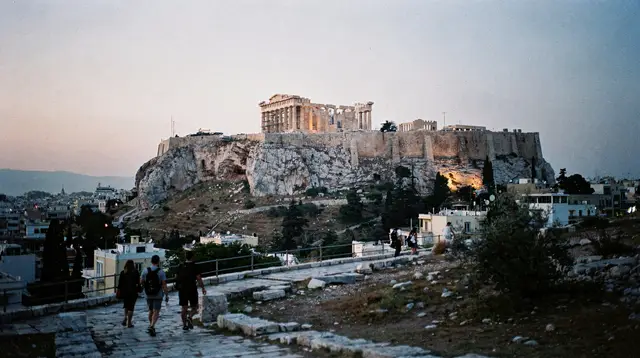
Athens in the late afternoon and evening in summer is genuinely beautiful. The temperature drops to 28–30 °C by 6 pm, the light turns golden and directional, the city comes alive — outdoor cafes fill up, the pedestrian walkway along Dionysiou Areopagitou buzzes, the Acropolis lights up at dusk.
This is the time for:
- Philopappos Hill and Filopappou ridge walk — the best free sunset views of the Acropolis.
- Lycabettus Hill funicular or walk — panoramic Athens views at golden hour.
- The Dionysiou Areopagitou pedestrian walkway below the Acropolis south slope — the most atmospheric urban promenade in Athens.
- Evening dinner from 9 pm (see Athens travel tips on eating at local hours).
The Cape Sounion day trip has a well-timed logic for summer: depart in the late afternoon, watch the sunset at the clifftop Temple of Poseidon at 8:30 pm, return to Athens by 10 pm. This swaps the punishing midday sun exposure for one of the great summer evening experiences in the Aegean.
9:00 pm onwards: Nightlife and evening culture
Athens nightlife is genuinely exceptional in summer. Athens rooftop bars with Acropolis views are at their best on warm summer nights. The open-air cinema season runs June–September (a uniquely Athens experience — watching a film in a garden with the Acropolis lit overhead). Outdoor restaurants in Psyrri and Koukaki fill with both tourists and locals from 9:30 pm.
The city’s social energy shifts entirely to the evening in summer. Embrace it rather than resisting it — this is one of the genuinely positive aspects of summer Athens that shoulder-season visitors don’t get.
Hydration: taking it seriously
The heat-related risks at Athens outdoor sites are genuine. Dehydration, heat exhaustion and, in extreme cases, heatstroke can affect fit adults who underestimate the conditions.
Practical rules:
- Carry a minimum of 1 litre per person for any Acropolis visit.
- Drink before you are thirsty — thirst is a lagging indicator of dehydration.
- There are drinking fountains within the Acropolis archaeological zone — use them to refill.
- Avoid alcohol in the morning hours if you are doing outdoor ancient sites in the afternoon.
- If you are feeling dizzy, developing a headache, or feeling nauseous while outdoors in the heat — these are early heat exhaustion symptoms. Get into shade, drink water, and if the symptoms don’t resolve quickly, seek medical attention. The tourist police (171) can assist in directing you to the nearest medical facility.
Electrolytes: On very hot days (38 °C+), particularly if you are sweating heavily, plain water is not always enough. Carrying rehydration sachets (available at any Athens pharmacy) or eating salty snacks (the Greek sesame-coated koulouri bread rings sold by street vendors for €1 are excellent) alongside water helps maintain electrolyte balance.
Children and older travellers: Both groups dehydrate faster and show heat-exhaustion symptoms sooner than a fit adult expects. Build in more frequent shade breaks, insist on regular water even without visible thirst, and treat any dizziness, unusual fatigue, or headache as a signal to stop and cool down immediately rather than pushing through the remaining itinerary.
Specific site advice for summer
The Acropolis: The summit is almost entirely shadeless. Wear a hat. Bring sunscreen. Wear UV sunglasses — the marble glare is intense. The path to the summit is marble and steep in places. Do this as early as possible.
Ancient Agora: Slightly better than the Acropolis for summer — more trees and shade, particularly around the Stoa of Attalos. A longer visit is sustainable here into mid-morning.
Cape Sounion: If you can do this on a sunset tour, you avoid the brutal midday exposed hilltop visit. The drive along the Athens Riviera can include a beach stop, which converts the trip into a genuinely refreshing summer day.
Greek islands from Athens: Santorini, Mykonos and the Saronic islands are all hotter than Athens in July–August, but the sea breeze, the option to swim and the generally outdoor-focused culture makes island heat feel different. If the heat in Athens is getting to you, a ferry trip to Hydra or Aegina provides both a change of scene and a swim.
Official heatwave warnings and site closures
During severe heatwaves, Greek authorities occasionally close outdoor archaeological sites — including the Acropolis — during the hottest part of the day (typically noon to 5pm), based on official heat-alert levels issued by the national meteorological service. This has happened in several recent summers when temperatures exceeded 40°C for multiple consecutive days. If you are travelling during a forecast heatwave, check the site’s official status the evening before and build in a flexible backup plan (an indoor museum morning, for instance) in case your planned outdoor visit is affected. This is a genuine safety measure, not an inconvenience to work around — heat-related medical incidents at outdoor sites rise sharply during these periods.
What to wear in the Athens summer heat
Light-coloured, loose-fit, breathable fabrics are the framework. Linen is the traditional Mediterranean answer; modern moisture-wicking synthetics work well too. Light colours reflect heat; dark colours absorb it — the difference is measurable in direct sun.
For the Acropolis specifically: a hat (wide-brimmed or with a neck flap) is not excessive — it is practical. Sandals with good grip are better than trainers in the heat. Do not wear jeans.
For evenings: Athens is a casual city and a light summer dress or shirt is entirely appropriate at any restaurant including the nicer ones. Carry a very thin layer — air conditioning in some restaurants is aggressive.
See Athens packing list for the full clothing and equipment list.
Free ways to cool down during the day
Beyond the scheduled museum and lunch breaks, Athens has several no-cost cooling options worth knowing about. The National Garden behind the Parliament building is genuinely shaded by mature trees, has several drinking fountains, and stays several degrees cooler than the surrounding streets — a good 20-minute detour between Syntagma and Plaka. Many churches in Plaka and the historic centre are open to visitors during the day, cool inside due to thick stone walls, and offer a quiet, air-conditioned-feeling break with no charge. Shopping arcades and covered market halls, including parts of Varvakios, also provide shade without the commitment of a full museum visit. Building two or three of these micro-breaks into a summer day, on top of the main midday indoor block, measurably reduces cumulative heat fatigue.
Summer and the crowds: the honest picture
Summer brings the most visitors to Athens. The Acropolis in July and August sees 10,000–15,000 visitors per day. Without a pre-booked ticket, you will queue. The Athens mega-combo with Acropolis Museum and hop-on hop-off is one option for visitors who want to bundle multiple elements and ensure access.
The hopeful news: the crowds concentrate very specifically. The Acropolis at 8 am is not crowded. Kerameikos almost never is. The National Archaeological Museum, even in August, is manageable. The Ancient Agora by 8:30 am has perhaps thirty visitors. The crowd problem in Athens summer is concentrated in the 10 am–1 pm window at the Acropolis and the main Monastiraki tourist strip. Adjust your schedule and you largely avoid it.
Summer-specific tips for day trips
If you are combining Athens with day trips in summer, choose your departure times carefully:
- Cape Sounion in the late afternoon — sunset tour avoids the worst heat.
- Delphi — a full-day trip with an early departure (7:30–8 am) reaches the site before the 10 am heat peak. The high altitude (600m) also makes Delphi cooler than Athens in summer.
- Nafplio and Mycenae — the same early departure logic applies. Mycenae is an exposed outdoor site; visit it early in the day.
- Saronic island cruise — the sea breeze on the ferry makes the journey itself pleasant regardless of air temperature.
Frequently asked questions about Athens in summer heat
Is Athens in July really too hot to enjoy?
It is challenging, not impossible. Visitors who adapt their schedule — early morning sites, midday museums, late afternoon and evening outdoors — consistently report having excellent Athens trips in July and August. Visitors who try to do a full day of outdoor sightseeing in July without scheduling adjustments have a miserable time.
What temperature should I expect in Athens in August?
Average high in August: 33–34 °C. Heatwaves (which occur most years) push to 38–42 °C for periods of several days. Overnight low: 24–26 °C. Air conditioning at your hotel is not a luxury — it is a sleep requirement.
Can children do the Acropolis in summer?
Yes, with the early-morning approach, adequate water and sun protection, and realistic expectations about attention span in the heat. A 90-minute early-morning Acropolis visit at 8 am with an 8-year-old is very manageable. A 90-minute Acropolis visit at 11:30 am is inadvisable regardless of age. See Athens with kids for site-by-site family advice.
Should I visit in June instead of July or August?
Early June (first two weeks) is significantly better: 28–30 °C, lower humidity, crowds not yet at peak, prices still below high season. If your dates have any flexibility, early June is a good compromise between the full shoulder season benefits and the summer advantages (warm sea, best nightlife, full island ferry frequency).
Are there any good beaches near Athens for a summer day?
The Athens Riviera — a string of beaches along the coast south of the city — is accessible by tram or bus from central Athens. Glyfada, Vouliagmeni and Varkiza are the main swimming areas. Vouliagmeni Lake is a particularly distinctive option: a thermal saltwater lake in a limestone gorge, well-suited to a hot summer afternoon. Most Riviera beaches are organised (sunbed hire €10–15) and the water is clean.
How does summer humidity compare to other Mediterranean cities?
Athens is drier than Rome, Barcelona or coastal Turkey in summer — the Attica Basin climate is hot and dry rather than hot and humid. This makes the heat more manageable than equivalent temperatures in higher-humidity cities, though wind patterns can occasionally bring more humid air from the sea. The dryness also means high UV exposure without the “heavy” feeling of humid heat.
Does the Acropolis ever close because of the heat?
Yes, occasionally. During officially declared heatwaves, Greek authorities have closed the Acropolis and other outdoor sites during the hottest midday hours (typically noon–5pm) in several recent summers. Check the site’s status the evening before if a heatwave is forecast, and keep an indoor backup plan ready.
Popular Athens tours on GetYourGuide
Verified deep-linked GetYourGuide tours. Book through these links and we earn a small commission at no cost to you.
GetYourGuide does not provide product photos: on its activity cards, the picture illustrates the type of experience and is not the operator's own photo.